
Cannabis & Chlorophyll: A disaster for growers or a benefit for patients?
What is chlorophyll?
Chlorophyll is a natural pigment, that is found in all plants. It is referred to by scientists as a chemoprotein and it is related to protoheme, the red pigment of blood. Chlorophyll’s green color gives plants their characteristic color. This compound also plays a vital role in the ability of plants to generate energy from sunlight. By absorbing natural light, and with the help of water and carbon dioxide, chlorophyll is able to supply plants with the energy needed to sustain life and reproduce.(1)
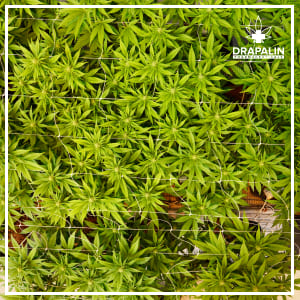
The popular bright green color of cannabis buds is attributed to its chlorophyll content. It is even believed that sativa flowers are less green than indica flowers because sativa plants contains less chlorophyll(2). Over time, the chlorophyll in cannabis can degrade, which allows other pigments to manifest, such as anthocyanin, which can give cannabis flowers a purple hue(3).
 Chlorophyll in Cannabis: Does it benefit patients?
With chlorophyll playing such an essential role in plants, it is unsurprising that some might think that it would have additional medical benefits that might potentiate and increase the therapeutic effects of cannabis. This concept isn’t entirely unfounded. For starters, chlorophyll has been used clinically treat gastrointestinal problems and anemia in the past. In recent times, chlorophyll has been researched for its ability to remove toxins through the
liver and is therefore an important substance in improving biochemical detoxification pathways. Its anti-inflammatory and antioxidant properties have also been proven.(1)
So do these proven therapeutic effects of chlorophyll translate directly to treatments with medical cannabis? The most probable answer is no. This is because in almost all the studies mentioned, a pure chlorophyll extract was used at concentration that are much higher than a usual dose in cannabis treatment regimen. Furthermore, it is unclear how the different methods of taking in cannabis could affect the bioavailability and absorption of chlorophyll into the body.
What role does cannabis play in the cultivation of cannabis?
Even though it probably does not add to the medical benefits of cannabis, does it in any way play a positive role in the cultivation of cannabis?
The answer is once again no. Too much chlorophyll can give cannabis flowers an unpleasant smell and taste of hay or grass. This aroma is undesired by medical cannabis patients and can be a sign of improper post-harvest processing. It is theorized that the magnesium found in chlorophyll molecules is responsible for this odor.(4)
In order to avoid this, cannabis cultivators employ the process of drying and curing cannabis flowers. During drying, the duration of the process must be long enough to allow the chlorophyll to completely dry out of the plant. The curing is conducted after the drying and improves the flavor and quality of the cannabis. Just like drying, the curing duration must be long enough to ensure as much chlorophyll as possible is removed. This takes place through bacteria that able to breakdown chlorophyll. There are even reports that the unwanted chlorophyll interferes with the pharmaceutical analysis of cannabis and potentially affects its stability.(5)
 Chlorophyll in the production of cannabis extracts
Cannabis extracts are common alternative to cannabis flowers, as they simplify the process of taking in cannabis for some patients. One of the most common cannabis medications, Sativex, is a cannabis extract. Ensuring the absence of chlorophyll is essential during the extraction of cannabinoids from cannabis plants(4).
Chlorophyll can give the cannabis extract a color shade of dark green and even an unpleasant taste, which might interfere with cannabis treatments(5). It is therefore important that an extraction method is chosen that does not extract chlorophyll along with the cannabinoids(6). For example, CO2 extraction can be disadvantageous since chlorophyll is found in the finished product(7). In addition, removing the chlorophyll after the extraction is complicated and expensive. There are however new cheaper methods that can be used to remove chlorophyll from extracts without affecting the cannabinoid content(6,7).
Conclusion
All in all, it can be said that the hype behind chlorophyll is just that; hype. Not only does It probably have no proven therapeutic benefits in cannabis, but it can also negatively affect the quality of medical cannabis products such as cannabis flowers and cannabis extracts. This makes chlorophyll an unfavorable side product in the cultivation of cannabis.
1. Ulbricht C, Bramwell R, Catapang M, Giese N, Isaac R, Le TD, et al. An evidence-based systematic review of chlorophyll by the Natural Standard Research Collaboration. J Diet Suppl. 2014 Jun;11(2):198–239.
2. Ciolino LA, Ranieri TL, Taylor AM. Commercial cannabis consumer products part 1: GC-MS qualitative analysis of cannabis cannabinoids. Forensic Sci Int. 2018 Aug;289:429–37.
3. Lazarjani MP, Young O, Kebede L, Seyfoddin A. Processing and extraction methods of medicinal cannabis: a narrative review. J Cannabis Res. 2021 Jul 19;3(1):32.
4. New innovative technology removes chlorophyll from cannabis and hemp extract without the need for post processing – Supercritical Fluid Technologies [Internet]. 2021 [cited 2022 Jun 1]. Available from: https://www.supercriticalfluids.com/new-innovative-technology-removes-chlorophyll-from-cannabis-and-hemp-extract-without-the-need-for-post-processing/, https://www.supercriticalfluids.com/new-innovative-technology-removes-chlorophyll-from-cannabis-and-hemp-extract-without-the-need-for-post-processing/
5. Remove Chlorophyll from Cannabis and Hemp Extract Without the Need for Post Processing | Product News | Analytical Cannabis [Internet]. [cited 2022 Jun 1]. Available from: https://www.analyticalcannabis.com/product-news/remove-chlorophyll-from-cannabis-and-hemp-extract-without-the-need-for-post-processing-312847
6. Rosenthal E. The Big Book of Buds: More Marijuana Varieties from the World’s Great Seed Breeders. Illustrated Edition. Quick American Archives; 2010. 543 p


